In the oil drilling rig industry, users’ focus on mud pump liners centers on six core dimensions: service life, wear and corrosion resistance, dimensional accuracy, adaptability and interchangeability, cost and total cost of ownership (TCO), and after-sales service, all directly related to drilling efficiency, downtime losses, and overall operational costs.
Core Concerns and Key Information
1. Service Life and Failure Risks (Top Priority)
- Core Indicators: Bimetallic liners typically last 200–800 hours, with high-quality models reaching approximately 1,000 hours; ceramic liners have a service life of 3,000–4,000 hours (5–10 times that of bimetallic liners).
- Main Failure Causes: Abrasive wear (plowing by hard particles such as quartz in drilling mud), corrosion (H₂S/CO₂/saltwater), eccentric wear/impact (ceramic liners are particularly sensitive to central rod runout exceeding 0.3mm), fatigue, and cavitation.
- User Pain Points: Short service life leads to frequent replacements and high downtime costs (maintenance hours for mud pumps account for approximately half of total drilling rig maintenance time).
2. Material and Performance Matching (Determines Upper Limit of Service Life)
| Liner Type | Hardness/Key Characteristics | Applicable Working Conditions | Price Range |
|---|---|---|---|
| Bimetallic (High-Chrome Inner Sleeve + Steel Outer Sleeve) | HRC 60+, wear and corrosion resistant, good toughness | Onshore conventional wells, medium to high solid content mud | Medium |
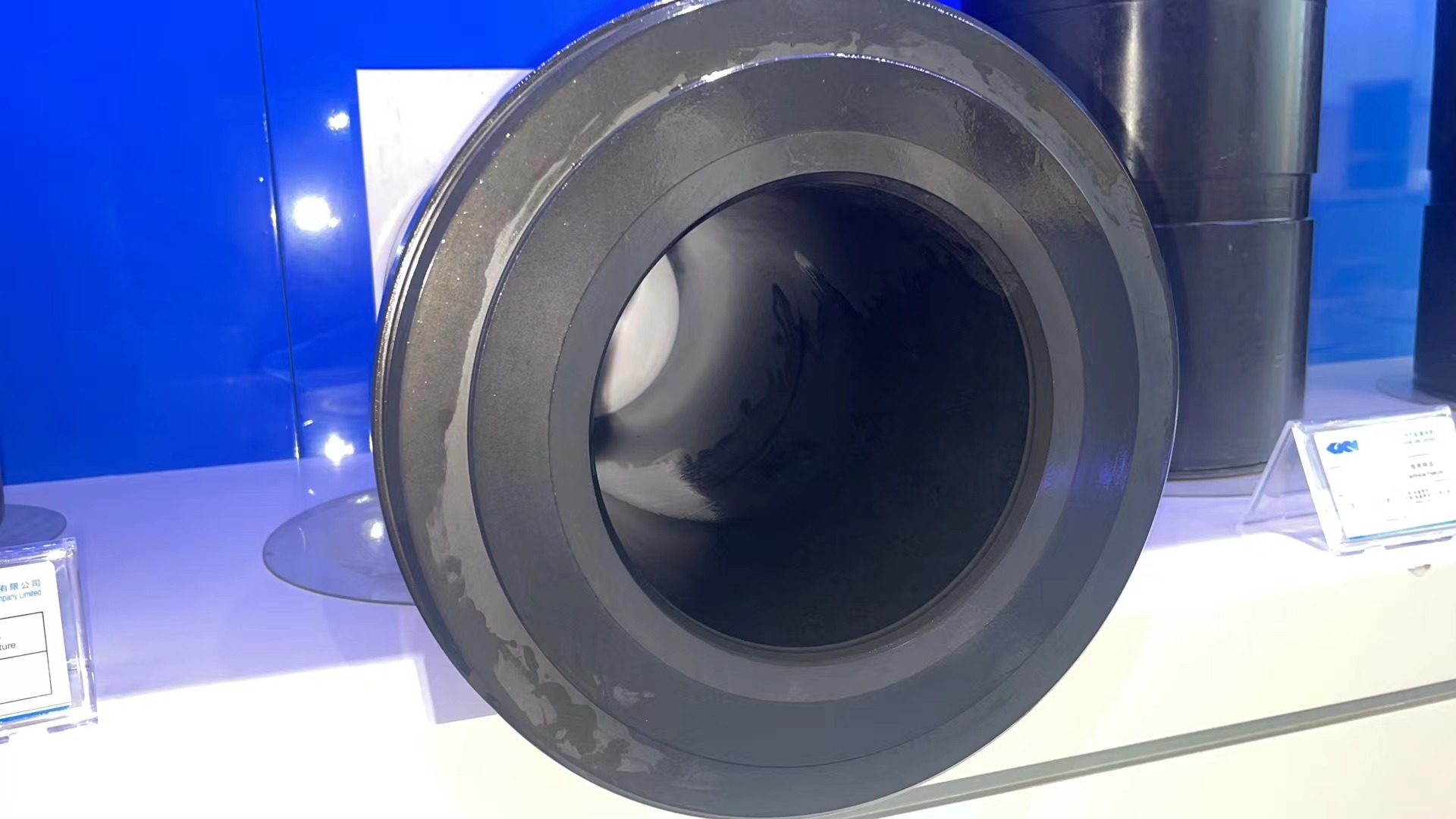
| Ceramic (Zirconia/Alumina) | Hardness > HRC 90, ultra-wear-resistant, corrosion-resistant | Deep/ultra-deep wells, high sulfur content, offshore platforms | High (3–5 times that of bimetallic liners) |
-
User Concerns: Whether the material is compatible with well depth, mud solid content, H₂S/CO₂ concentration, temperature, pressure, and other working conditions.

TSC WF2000 3. Dimensional Accuracy and Assembly Quality (Affects Sealing and Eccentric Wear)
-
Key Parameters: Inner diameter tolerance within ±0.05mm, cylindricity ≤0.03mm, coaxiality ≤0.1mm, and proper fit clearance with pistons.
-
Assembly Points: Avoid impact and rough handling to prevent eccentric wear; for ceramic liners, control central rod runout and use buffered light tapping during installation.
-
User Pain Points: Dimensional deviations cause seal failure, pressure leakage, abnormal piston wear, and even liner scrapping.
4. Adaptability and Interchangeability (On-Site Maintenance Efficiency)
- Core Requirements: Precise matching with mud pump models (e.g., 3NB-1600, F1300), pistons/seals, and liner seats, with consistent group codes.
- Interchangeability: Ability to quickly replace products from different brands/batches to reduce inventory types and waiting time.
5. Comprehensive Cost (TCO)
- Cost Components: Purchase price + replacement labor costs + downtime losses + transportation/inventory costs + maintenance auxiliary materials.
- Decision Logic: Although ceramic liners have a higher purchase price, their longer service life results in lower overall costs; offshore and remote wells prioritize long service life to minimize replacement frequency.
6. After-Sales Service and Support
- Warranty period and coverage, failure analysis services, on-site installation guidance, and rapid supply capacity (especially for emergency replacements).
- Compliance: Compliance with API standards, material reports, and traceability, which affect acceptance and safety audits.
Priority Ranking of User Concerns
- Service life and reliability (directly determines downtime costs)
- Material adaptability (matching working conditions is a prerequisite for long service life)
- Dimensional accuracy and assembly (prevents early failure)
- Comprehensive cost (TCO rather than just purchase price)
- Adaptability, interchangeability, and after-sales service (ensures maintenance efficiency)
Procurement and Usage Recommendations
- Selection: Choose materials based on well depth, mud type, corrosive media, temperature, and pressure; prioritize ceramic or nickel-based alloys for deep wells and high-sulfur environments, and high-quality bimetallic liners for conventional wells.
- Inspection: Verify dimensional tolerances, hardness reports, and group codes to avoid mismatches.
- Maintenance: Control mud solid content and pH, correct central rod concentricity, avoid impact on ceramic liners, and drain mud during winter shutdowns to prevent freezing and cracking.
